

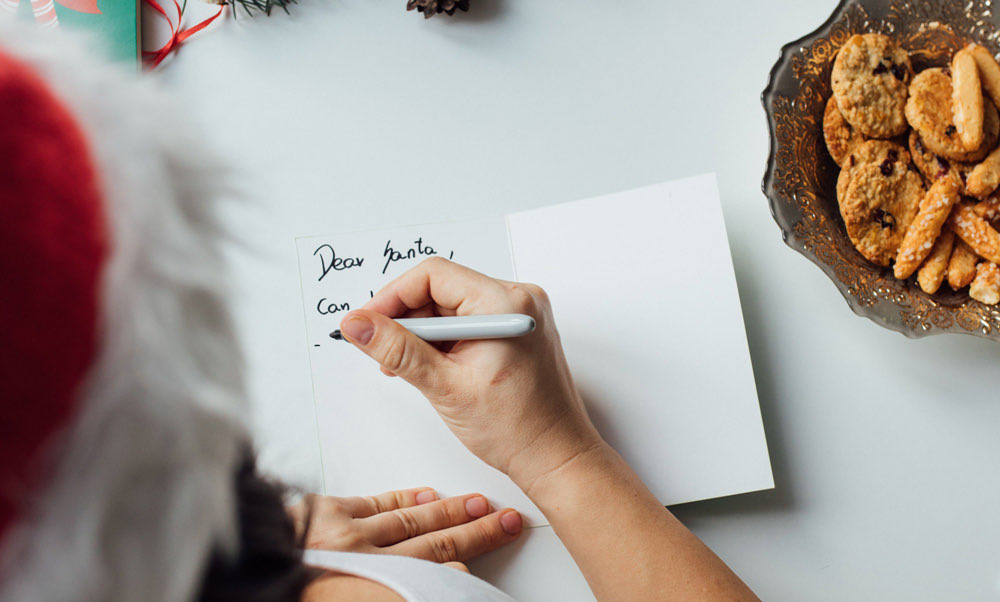
Most business Christmas cards get glanced at and put on a shelf. Some get put on a mantelpiece for the season. A very few get kept in the office, pinned to a noticeboard, or remembered. The gap between those categories has almost nothing to do with the printed message and quite a lot to do with the choices made in September and October.
We print a lot of business Christmas cards at our works in Llangefni. Every year, most orders come through in November when the pressure is already on. Here's what we'd think through with you if you started earlier, and what still helps if you're reading this in the middle of it.
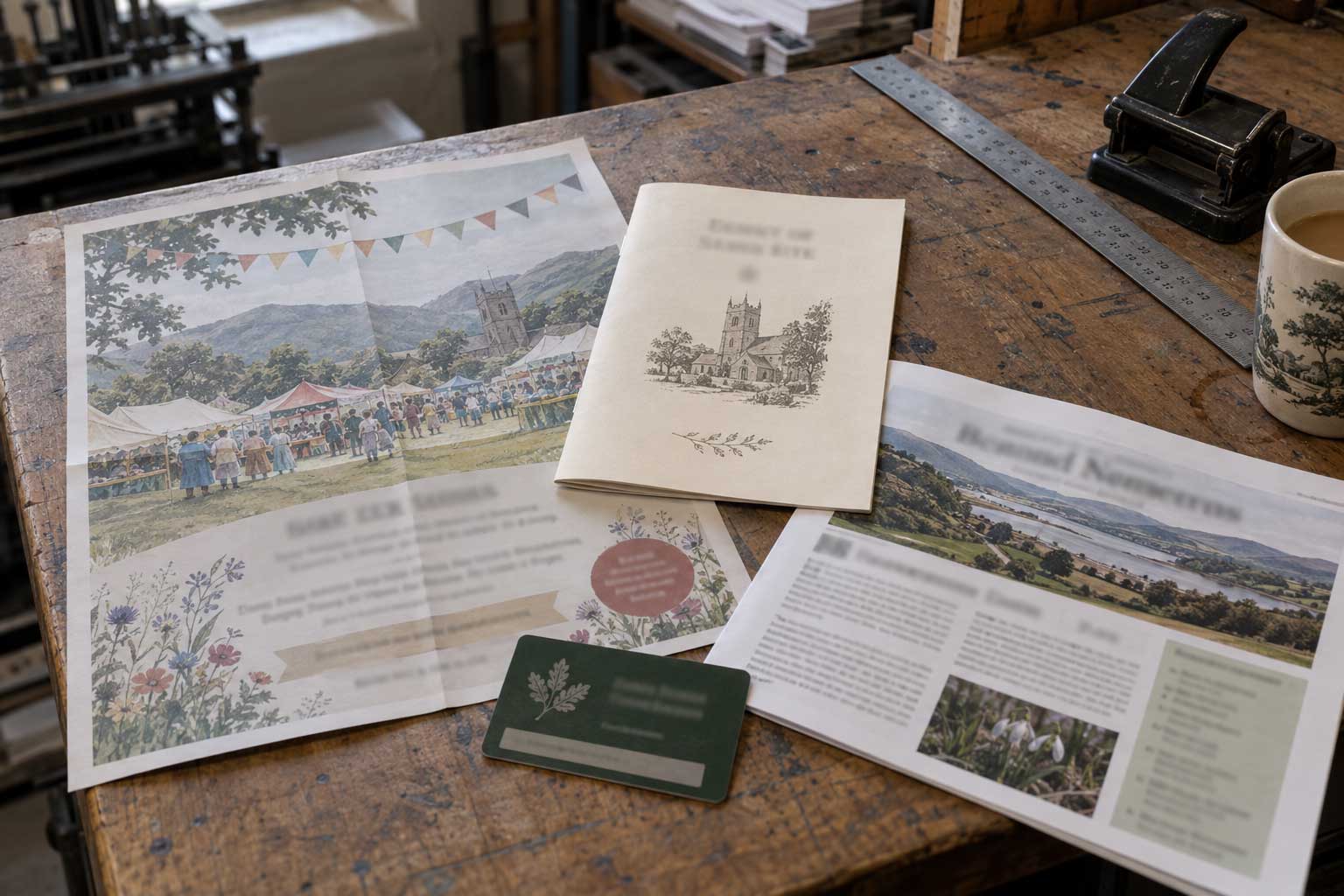
Community groups and small charities across North Wales run on quiet hard work, thin budgets, and a lot of volunteer time. Their printing needs are real (posters for a fundraiser, order of service for a chapel, membership cards for a sailing club, an appeal letter to members) but their budgets rarely stretch to what a commercial marketing team would spend on the same job.
We work with a lot of these organisations at our works in Llangefni. Chapels, sports clubs, agricultural societies, community councils, hospice charities, sailing clubs, choirs, schools, food banks, and youth groups. What follows is what we tell coordinators and secretaries when they're planning a print run and want it done well without spending more than they need to.
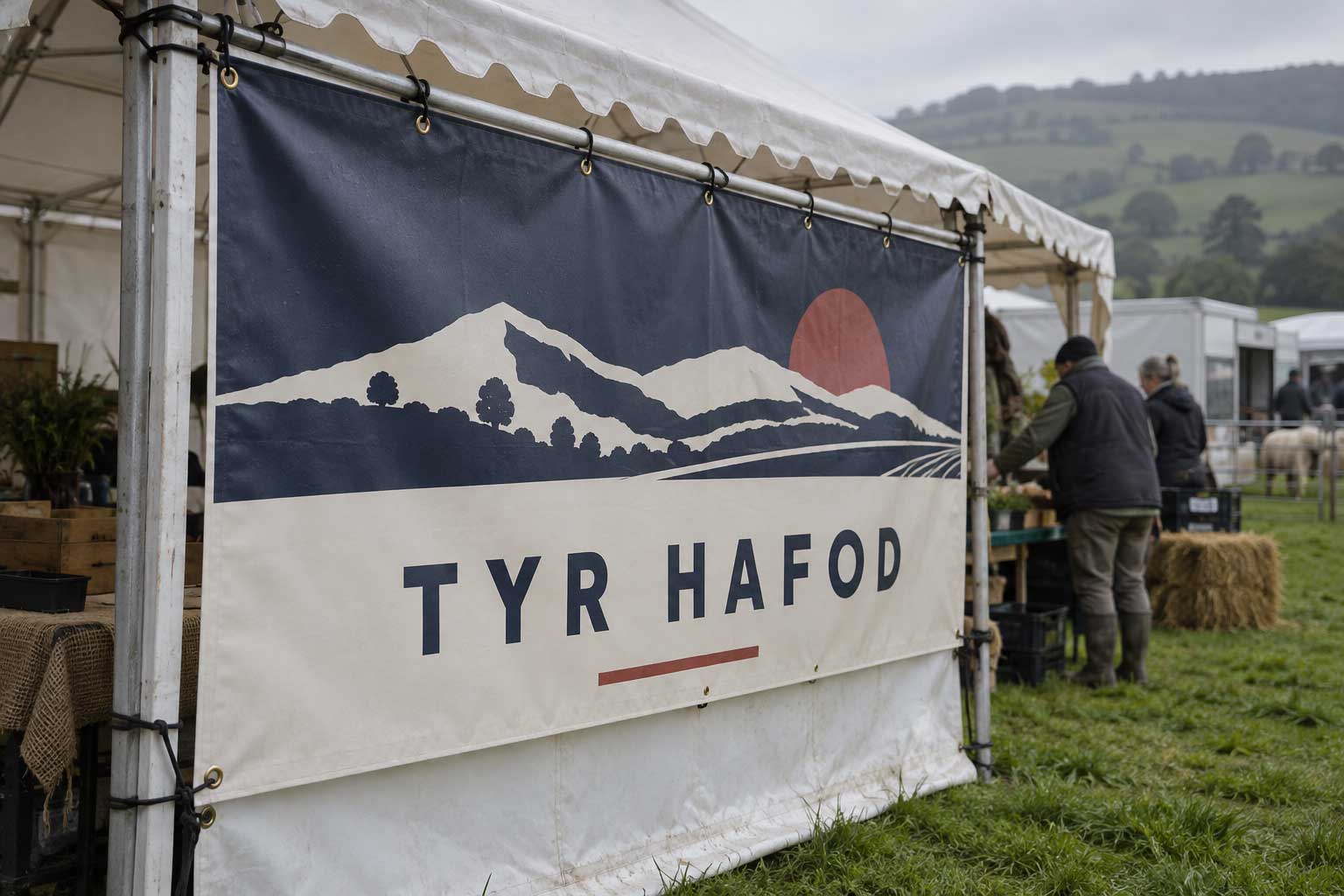
An outdoor event, especially a summer one on the North Wales coast, puts print through more than most posters ever encounter indoors. Wind, rain, salt, sun, and the occasional curious sheep. If the design won't survive the day, it doesn't matter how nice it looked in the office.
We print for a lot of outdoor events at our works in Llangefni. Agricultural shows, food festivals, sailing regattas, sports days, town-centre events, community fetes, wedding marquees. What we've learned is that most of the choices happen a couple of weeks before the event, and the ones that matter aren't always the obvious ones. Here's what we'd think through with you at the quote stage.
Walk into most small print shops in the UK today and you'll find a handful of digital presses, one or two staff, and a machine that comfortably handles a few thousand copies a week. That model works, and it's what a lot of short-run print has moved to.
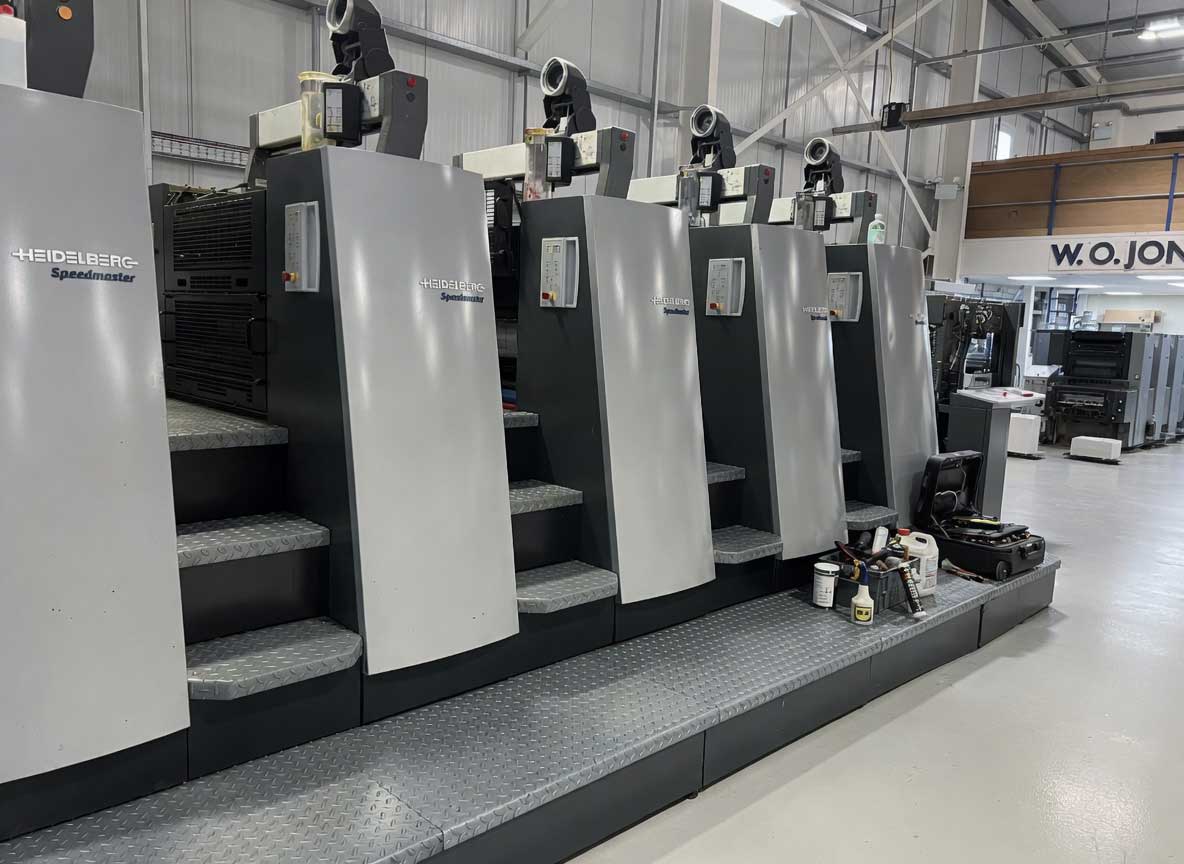
Walk into our works in Llangefni and you'll find something different. Alongside the digital presses, two multi-colour Heidelberg litho presses. Big, precise, meant for real volume, and the machines the whole shop floor is built around.
Heidelberg presses have been in use here for longer than most of the current team have been employed. Every few years, we get asked (usually kindly) whether we've thought about replacing them with something newer or smaller. The answer has always been the same. We haven't, and here's why it still matters to the customer.

The business card has been quietly written off many times over the last decade. QR codes replaced them, LinkedIn replaced them, Apple Wallet replaced them. In practice, none of that has quite happened. The good ones still get handed over at meetings, kept in wallets, pinned to noticeboards, and used to remember someone weeks later. It turns out a well-made piece of card can still do things a phone screen can't.
We've been printing business cards at our works in Llangefni since long before the internet was a thing, and we still print a lot of them. Some for family businesses ordering a hundred or two, some for larger institutions ordering thousands across a workforce. What follows is what we tell customers when they're ordering cards for the first time, or refreshing them after several years of the same design.
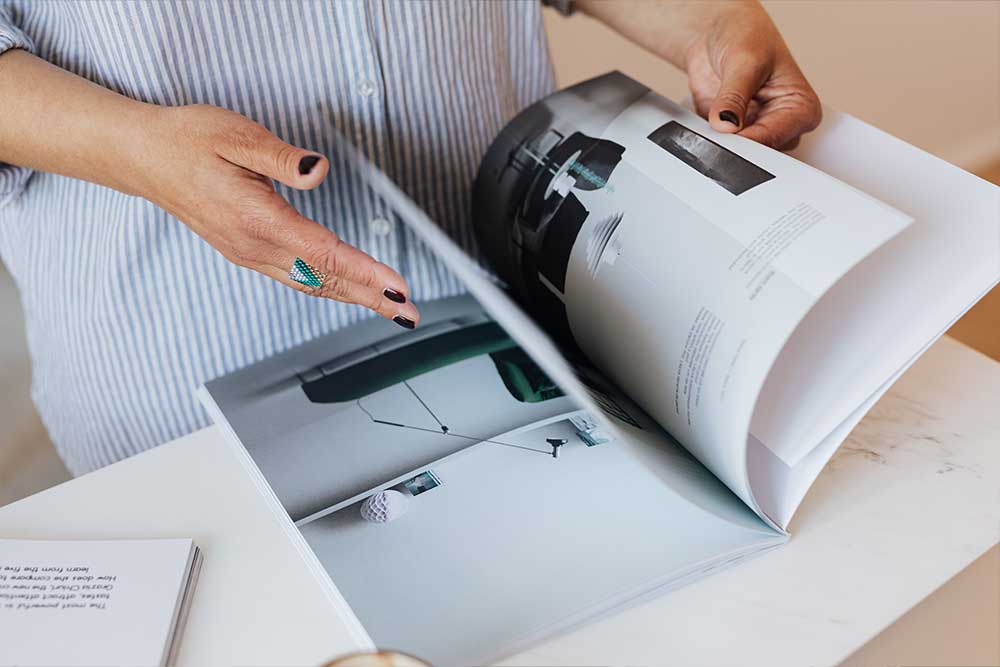
Most brochures are perfectly fine. They tell the customer what the business does, they're the right size to pick up and read, and they end up in a folder somewhere. Perfectly fine is a useful place to be.
A memorable brochure is different. It's the one someone picks up at a trade show and doesn't put back down. It's the one that gets left on the coffee table because it's actually nice to hold. The gap between fine and memorable is smaller than most people think, and it comes down to five decisions we make with customers at the start of every brochure job.
None of these decisions are exotic and none of them push the price up dramatically. What they do is shift the impression of the finished piece from something functional to something considered.
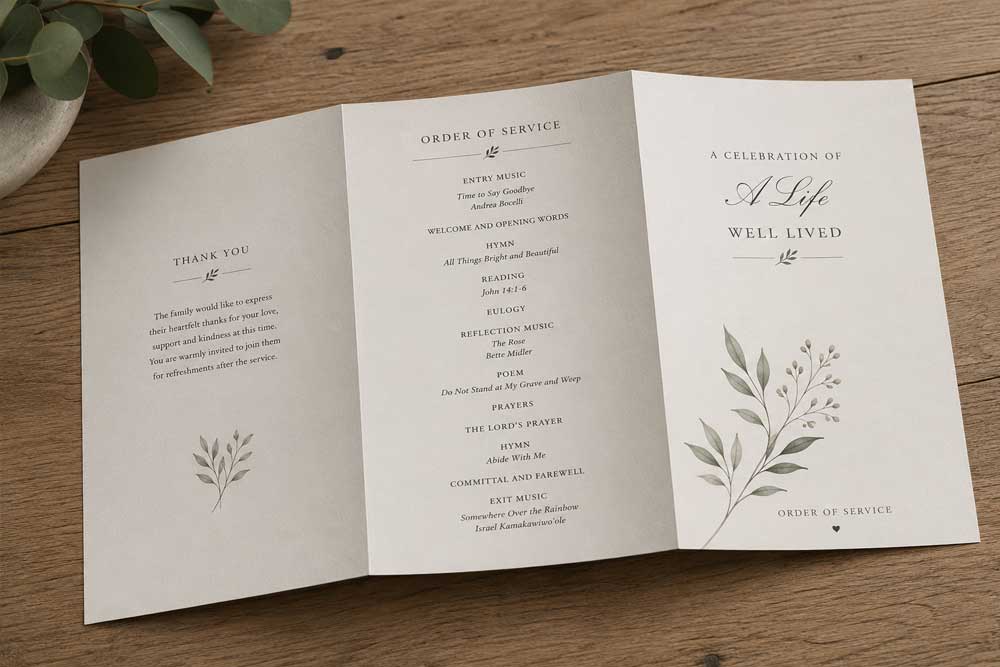
Losing someone is not a moment where anyone wants to think about print. And yet the order of service is one of the few things at a funeral that families take home, hand to relatives who couldn't make it, and keep on a shelf for years. Getting it right matters more than most people realise.
We've been printing orders of service at our works in Llangefni for as long as anyone can remember. Sometimes families come to us direct. More often, we work through a funeral director who's handling the arrangements. Either way, this is what we've learned about making the process as calm and quick as possible.
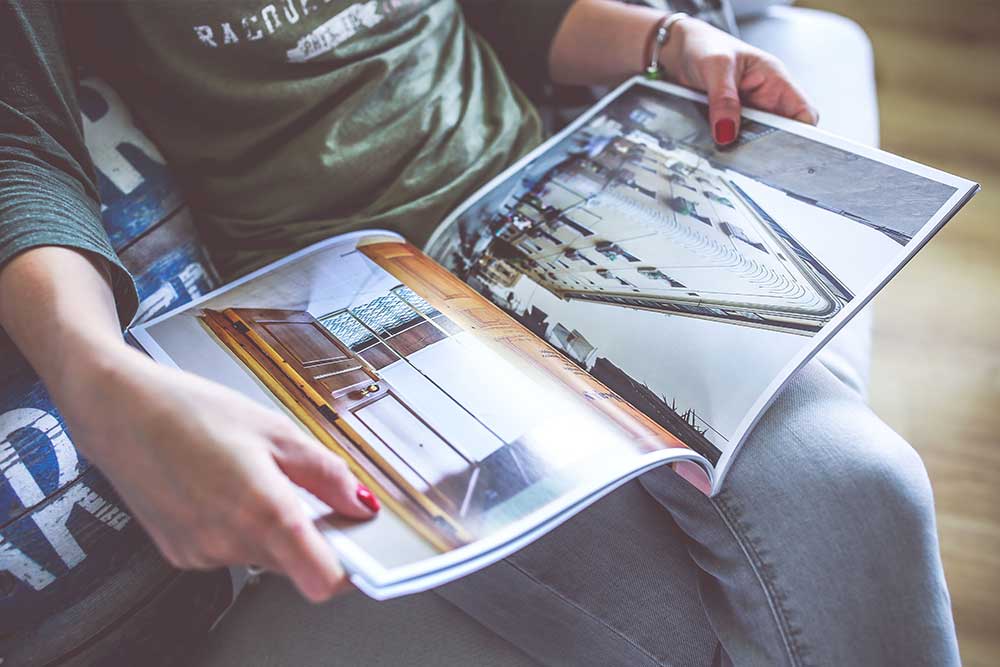
Most customers don't see what happens after they sign off on a brochure design. They see the start (the conversation, the quote, the artwork approval) and they see the end (a box of finished brochures on the doorstep). Everything in between is the bit that earns the price tag, and it's the bit we never explain because customers rarely ask.
So this is the full journey of a single brochure job at W. O. Jones, from the first phone call to the moment the boxes leave Llangefni. We've used a typical brochure run as the example: 5,000 copies, 24 pages, saddle-stitched, on a silk-coated stock with a matt-laminated cover. The kind of brochure a North Wales business might order to introduce a new service or refresh their corporate materials.
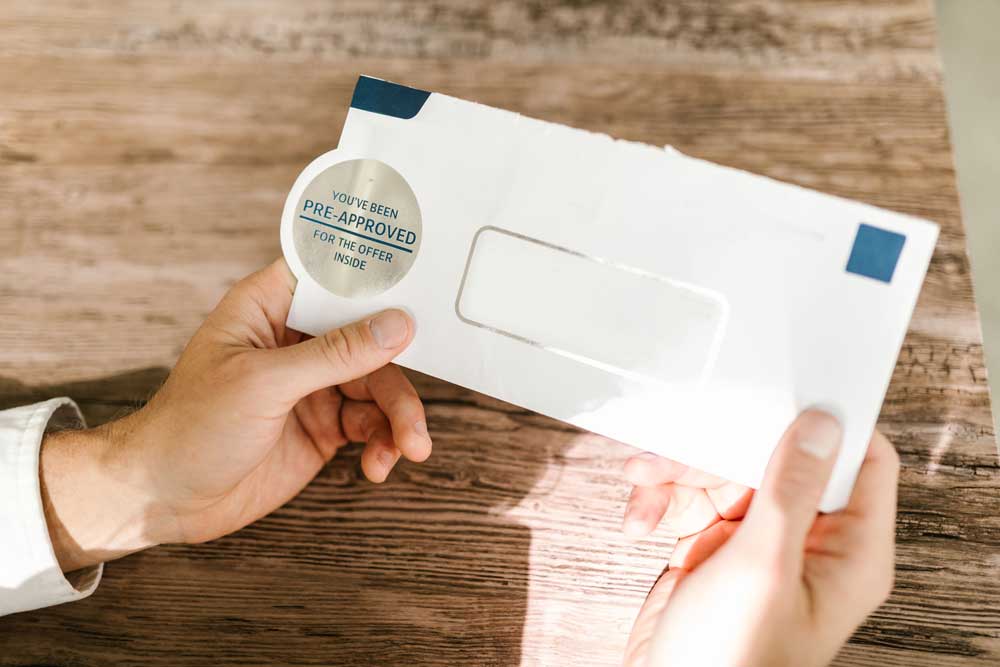
Direct mail has been written off more times than we can count. Email was supposed to kill it. Social media was supposed to bury it. Targeted digital advertising was supposed to make it embarrassing. None of that quite happened, and in 2026, a well-aimed direct mail piece is one of the more reliably effective things a North Wales business can do.
This isn't a contrarian piece. We're not trying to sell you on direct mail because we print it. We print it because, when it's done properly, it works, and we'd rather customers know how to do it properly than waste their budget on it badly. So this is what direct mail looks like from our side, and how a business in this part of the world can get the most out of it.
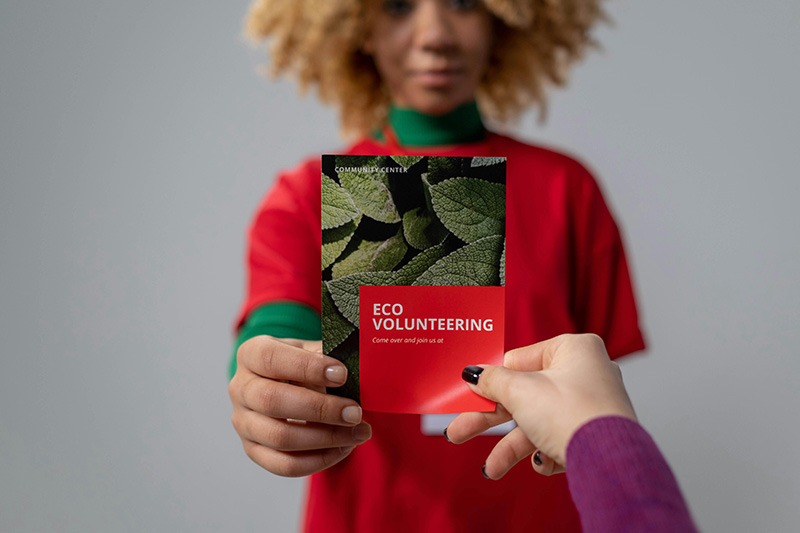
Leaflets are the workhorse of small-business marketing. They're cheap to print, easy to distribute, and they put your business in someone's hand in a way that a social-media ad doesn't. They've also been done so badly so often that the word "leaflet" carries a bit of baggage. So this is a plain-English buyer's guide to ordering them properly.
We've printed leaflets for businesses, charities, community groups and event organisers across Anglesey and North Wales every week for decades. The fundamentals don't change much. The mistakes are mostly the same, and they're nearly all avoidable.